Source Reflective LED Road Stud Markers for Railways, Roads, and Highways
Find and compare 30 Reflective LED Road Stud Markers for railways, roads, and highways. Options include solar glass studs with LED lights and passive plastic reflectors. Evaluate specifications like compression resistance and material to select the right solution for your infrastructure project.
Key considerations
Products List


Road Safety Embedded LED Road Marker Boundary Stud Reflective Pavement Stud
$14.00 - $20.00
MOQ: 1 Pieces





Comprehensive Sourcing Guide
Reflective LED Road Stud Markers Sourcing Guide
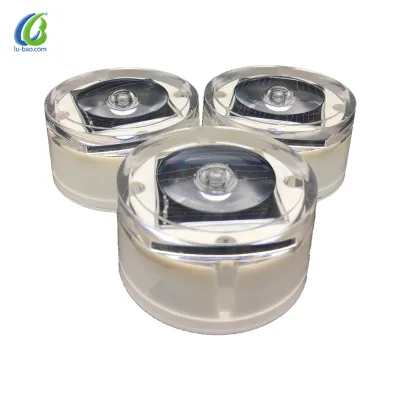
Buyers must first distinguish between solar-powered active units and passive reflective variants, as the supplied data reveals distinct product lines with different operational requirements. The market offers solar glass road studs featuring 0.3W panels and Ni-MH batteries designed for railway and road applications, alongside plastic and glass passive markers that rely on vehicle headlights for visibility. Understanding this fundamental split is critical before initiating any procurement process, as the power requirements and maintenance cycles differ significantly between the two categories.
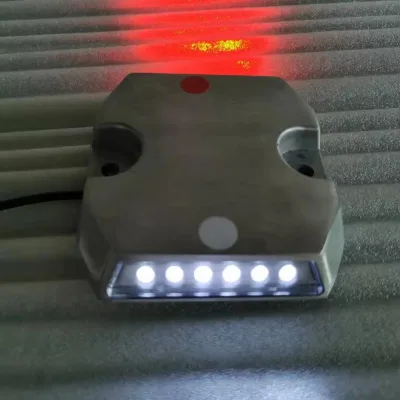
Procurement teams should verify the specific material composition and intended environment for each unit, noting that some listings specify tempered glass shells while others utilize ABS plastic or standard plastic housings. The observed product range includes models with varying LED quantities from one to six pieces, alongside passive units with double-sided reflective surfaces. Selecting the correct variant depends on whether the project requires active illumination for low-light conditions or passive reflection for standard road marking, a decision that directly impacts long-term operational costs and visibility safety.
Product Scope and Observed Listing Signals
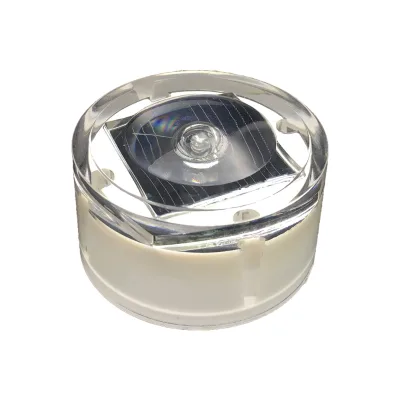
The observed product listings indicate a wide range of physical dimensions and weights, with solar units weighing approximately 0.9kg and passive plastic studs ranging from 132g to 190g per piece. Buyers should carefully review the standard dimensions provided, such as the 100mm diameter by 63mm height for glass models or the 100x100x20mm profile for plastic and ABS variants, to ensure compatibility with existing road infrastructure. These physical specifications are not merely descriptive but dictate the installation method and the structural load the marker can withstand in high-traffic zones.
Commercial signals in the listings reveal significant variability in minimum order quantities, with some suppliers requiring 1000 pieces while others accept orders as low as 500 or even single units for sampling. The price range observed spans from 0.35 to 20 USD, reflecting differences in material quality, LED technology, and battery capacity. Procurement managers must align their budget constraints with these MOQ thresholds, recognizing that smaller orders may incur higher unit costs or require specific sample availability, whereas bulk purchases might unlock better pricing tiers for large-scale infrastructure projects.
Technical Specifications to Verify
Technical due diligence requires confirming the power storage and generation capabilities of solar models, specifically the 0.3W solar panel voltage and the 2.5V output paired with Ni-MH battery storage. Buyers must verify the claimed operational life of more than three years and ensure the 5mm high-luminance LEDs are rated for the specific environmental conditions of the installation site. The number of LEDs, ranging from one to six per unit, directly influences the visibility range and should be matched against the speed and lighting conditions of the target roadway or railway track.
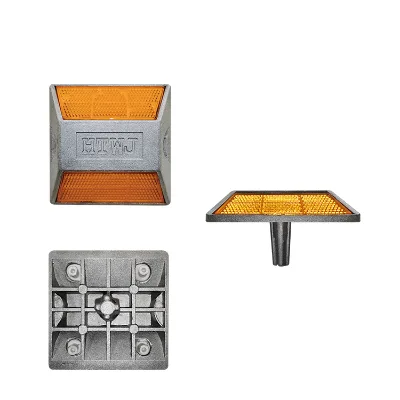
For passive units, verification must focus on the compression resistance ratings, which are listed as high as 30 tons for certain plastic models and 10 to 15 tons for others. The material integrity is paramount, with options including tempered glass, ABS, and standard plastic, each offering different levels of durability against weathering and vehicle impact. Buyers should also confirm the reflector color options, such as yellow, red, white, or green, and ensure the double-sided reflective surfaces meet the specific visibility standards required for the intended application, whether for road edges or railway crossings.
Compliance and Safety Documentation
Safety compliance is a primary concern, with CE certification appearing as a high-confidence attribute for the solar road stud products in the observed listings. While EN1463 is mentioned in background data, buyers should treat it as a reference standard to verify rather than an automatic guarantee, requesting specific test reports that demonstrate the product meets the relevant European or local safety norms for road equipment. Documentation must explicitly confirm that the materials used, such as tempered glass or ABS plastic, are non-toxic and resistant to UV degradation to ensure long-term safety without hazardous material leaching.
Procurement teams must also validate the electrical safety of the solar units, ensuring that the internal wiring and battery compartments are sealed against moisture and dust ingress. The listed specifications for weight and compression resistance serve as baseline data, but independent verification of these figures through third-party testing is advisable for critical infrastructure projects. Buyers should request detailed safety data sheets that cover the chemical composition of the housing materials and the fire resistance ratings of the LED components to mitigate liability risks associated with road safety equipment failures.
Cost Drivers and Commercial Terms
The total cost of ownership is heavily influenced by the choice between active solar units and passive reflectors, with the former incurring higher initial costs due to the inclusion of solar panels, batteries, and LEDs. Buyers should analyze the trade-off between the higher upfront price of solar models and the long-term savings from reduced maintenance and improved visibility, whereas passive units offer a lower entry cost but may require more frequent replacement due to wear and tear. The observed price range of 0.35 to 20 USD suggests that material quality and component count are the primary drivers of cost variance within the market.
Commercial terms regarding packaging and shipping logistics also play a significant role in the final landed cost, with carton sizes like 56x22.5x22.5cm and packaging quantities of 15 pieces per box affecting freight efficiency. Minimum order quantities ranging from 1 to 1000 pieces create different financial entry points, requiring buyers to balance inventory holding costs against unit price reductions. Procurement strategies should account for these variables, ensuring that the selected supplier can accommodate the required volume while maintaining competitive pricing and reliable delivery schedules for the project timeline.
Supplier Qualification and Quality Control
Supplier qualification should begin with verifying the origin of the products, as the data indicates manufacturing locations in Beijing and other parts of China, which may influence shipping times and import regulations. Buyers must assess the supplier's ability to provide customization services, as the listings confirm that customization is available for various product attributes including color and reflector types. This flexibility is crucial for projects requiring specific branding or unique color codes to match local traffic regulations, and suppliers should demonstrate a proven track record of handling such custom orders without compromising quality.
Quality control protocols must be established to ensure consistency across batches, particularly given the variability in weight and material composition observed in the listings. Buyers should request samples to physically test the compression resistance, LED brightness, and battery longevity before committing to large orders, as the listed specifications are observations rather than guaranteed performance metrics for every unit. Establishing a clear acceptance criteria based on the observed standards, such as the 100mm diameter or 30-ton compression rating, will help mitigate the risk of receiving substandard products that fail to meet the project's safety requirements.
Long-Term Procurement Checks
Long-term procurement success depends on monitoring the durability of the installed units, specifically the lifespan claims of more than three years for solar models and the resistance to weathering for passive plastic and glass studs. Buyers should implement a regular inspection schedule to check for battery degradation, LED failure, or physical damage to the housing, ensuring that the units continue to provide the necessary visibility and safety functions over their intended service life. Proactive maintenance planning is essential to avoid sudden failures that could compromise road safety and lead to costly emergency replacements.
Sourcing strategies should also include periodic re-evaluation of supplier performance and product updates, as technology in LED efficiency and battery storage continues to evolve. Buyers must maintain open communication channels with suppliers to stay informed about any changes in material standards or manufacturing processes that could affect product reliability. By treating the procurement relationship as a long-term partnership rather than a one-time transaction, organizations can ensure a steady supply of high-quality reflective road markers that adapt to changing traffic conditions and regulatory requirements.
FAQs
What materials are used for reflective road studs?
Reflective road studs are manufactured from durable materials such as tempered glass, plastic, and ABS. Glass studs offer high compression resistance and longevity, while plastic and ABS variants provide cost-effective solutions for various road applications. These materials ensure the markers withstand heavy traffic loads and environmental conditions effectively.
Can solar road studs be customized for specific projects?
Yes, customization is available for solar road stud markers to meet specific project requirements. Buyers can select from various LED colors including white, yellow, red, and blue. Additionally, the number of LEDs can be adjusted from one to six pieces, allowing for tailored visibility and signaling needs on different road surfaces.
What is the typical weight of a glass road stud?
The weight of a glass road stud typically ranges from 190g to 0.9kg depending on the specific model and construction. Heavier tempered glass studs provide greater stability and compression resistance, while lighter variants may be used for temporary or low-traffic applications. Weight specifications help buyers assess installation requirements and durability.
Which certifications are standard for these road markers?
Many reflective road stud markers carry CE certification, indicating compliance with European health, safety, and environmental protection standards. This certification is crucial for buyers in regulated markets who require verified product quality. Buyers should verify specific certification documents with suppliers to ensure the products meet local regulatory requirements for road safety infrastructure.
How long do solar road studs typically last?
Solar road studs generally have a lifespan of more than three years under normal operating conditions. This duration depends on the quality of the Ni-MH battery and the high-luminance LEDs used. Regular maintenance and proper installation can help maximize the operational life of these solar-powered markers for continuous road visibility.
What is the minimum order quantity for plastic studs?
The minimum order quantity for reflective plastic road studs is often set at 1000 pieces. This MOQ ensures efficient production and shipping for manufacturers. Buyers requiring smaller quantities should check with suppliers for sample availability or alternative packaging options, as some vendors may offer flexible terms for initial trial orders or specific project needs.